
What Is Glucagon Like Peptide 1? The Hormone Behind the Hype
What is glucagon like peptide 1? We explain how this natural hormone regulates appetite, controls blood sugar, and impacts metabolic health.
- Published
- Updated
- Reading time
- 7 min read
- Author
- By PeptidesFinder
On this page
To truly understand how modern weight loss treatments work, you first have to answer the foundational question: What is Glucagon Like Peptide 1?
In 2026, the term "GLP-1" is almost synonymous with weight loss injections. But long before pharmaceutical companies put it in a pen, nature put it in your gut.
Glucagon Like Peptide 1 is not a drug. It is a fundamental part of human biology. It is the reason you feel full after a Thanksgiving dinner. It is the chemical messenger that tells your brain you have had enough to eat and tells your pancreas to handle the sugar you just consumed.
This guide explores the natural origins of this hormone, how it functions in a healthy metabolism, and why it is considered the conductor of the metabolic orchestra.
The Definition: An "Incretin" Hormone
GLP-1 is a peptide hormone consisting of roughly 30 amino acids. It belongs to a class of hormones known as incretins.
The name "incretin" comes from "INtestine SeCRETion Insulin." As the name suggests, these are hormones released from the gut that signal the pancreas to secrete insulin.
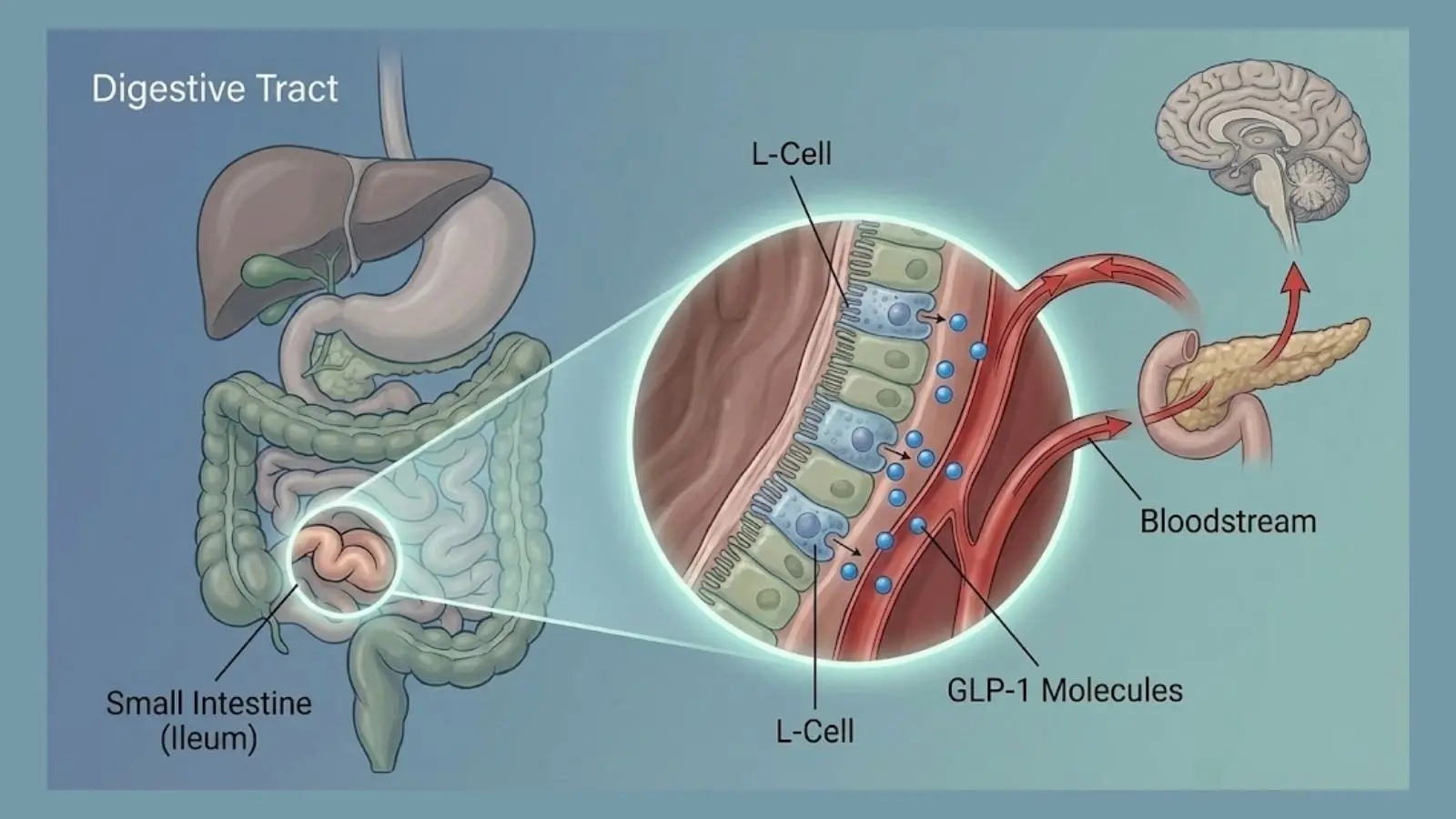
Where does it come from? GLP-1 is produced primarily by L-cells. These are specialized cells found in the lining of your small intestine (specifically the ileum) and the colon. When nutrients, especially carbohydrates and healthy fats pass through your digestive tract, these L-cells "taste" the food and release GLP-1 into your bloodstream.
For a broader look at how peptides function as biological messengers, you can review our foundational guide: What Are Peptides? The Ultimate Beginner’s Guide to Peptide Therapy.
The Mechanism: The "Ileal Brake"
In the world of physiology, GLP-1 acts as a braking system for your digestion. Scientists often refer to this as the "Ileal Brake."
Imagine you are eating a large meal. As the food reaches the lower part of your small intestine (the ileum), your body realizes it has enough energy to process. The L-cells release GLP-1, which travels to three main destinations to slow everything down.
-
The Stomach (The Gatekeeper)
GLP-1 binds to receptors in the stomach lining and slows down gastric emptying. It physically tightens the valve at the bottom of the stomach (the pylorus), preventing food from rushing into the intestine too quickly. This keeps you feeling physically full for longer. -
The Brain (The Satiety Signal)
The hormone travels through the bloodstream and crosses the blood-brain barrier. It acts directly on the hypothalamus, the brain's control center for hunger. It turns down the desire to eat and turns up the feeling of satisfaction.
We explore this specific brain-gut connection in depth in our article on Understanding GLP-1 Supplements: The Science of Metabolic Satiety. -
The Pancreas (The Insulin Trigger)
This is perhaps its most vital role for survival. GLP-1 tells the beta-cells in the pancreas to release insulin, which pulls sugar out of the blood and into the muscles for energy. Crucially, it only does this when blood sugar is high (glucose-dependent), which prevents your blood sugar from crashing too low.
According to a comprehensive review in Physiological Reviews (American Physiological Society), this multi-organ signaling pathway is essential for maintaining glucose homeostasis (balance) in the human body.
The Name Game: Glucagon vs. GLP-1
One of the most common points of confusion is the name itself.
- Glucagon: A hormone that raises blood sugar (released when you are fasting).
- Glucagon Like Peptide 1: A hormone that lowers blood sugar (released when you are eating).
Why are they named so similarly? Because they share a similar chemical structure. They are "cousins" derived from the same precursor molecule (proglucagon), but they have opposite effects on the body.
Glucagon tells the liver to dump stored sugar into the blood for energy. GLP-1 tells the pancreas to clear that sugar away. In a healthy metabolism, these two work in perfect harmony to keep your energy levels stable.
The Problem: The "DPP-4" Assassin
If our bodies make this miracle hormone naturally, why do we suffer from obesity? Why isn't our natural GLP-1 enough to keep us slim?
The answer lies in an enzyme called DPP-4 (Dipeptidyl Peptidase-4).
Think of DPP-4 as a recycling crew. Its job is to break down GLP-1 almost as soon as it is made. In a typical human, natural GLP-1 has a half-life of less than 2 minutes. It fires a quick signal to the brain "I'm full!" and then it vanishes.
In many people with metabolic resistance or obesity, this signal is too short or too weak to overcome the modern environment of calorie-dense foods. This is why scientists developed synthetic versions that are resistant to DPP-4, allowing the signal to last for days instead of minutes.
You can read about the history of this pharmaceutical breakthrough in GLP-1 Drugs Explained: The Science Behind the Weight Loss Revolution.
How to Boost GLP-1 Naturally
While drugs are powerful, they are not the only way to stimulate this system. Nutrition science has identified several ways to encourage your L-cells to work harder.
-
Fermentable Fibers
Foods rich in soluble fiber (like oats, flaxseeds, and legumes) feed the good bacteria in your gut. These bacteria produce short-chain fatty acids (SCFAs), which directly stimulate L-cells to release more GLP-1. -
Protein & Healthy Fats
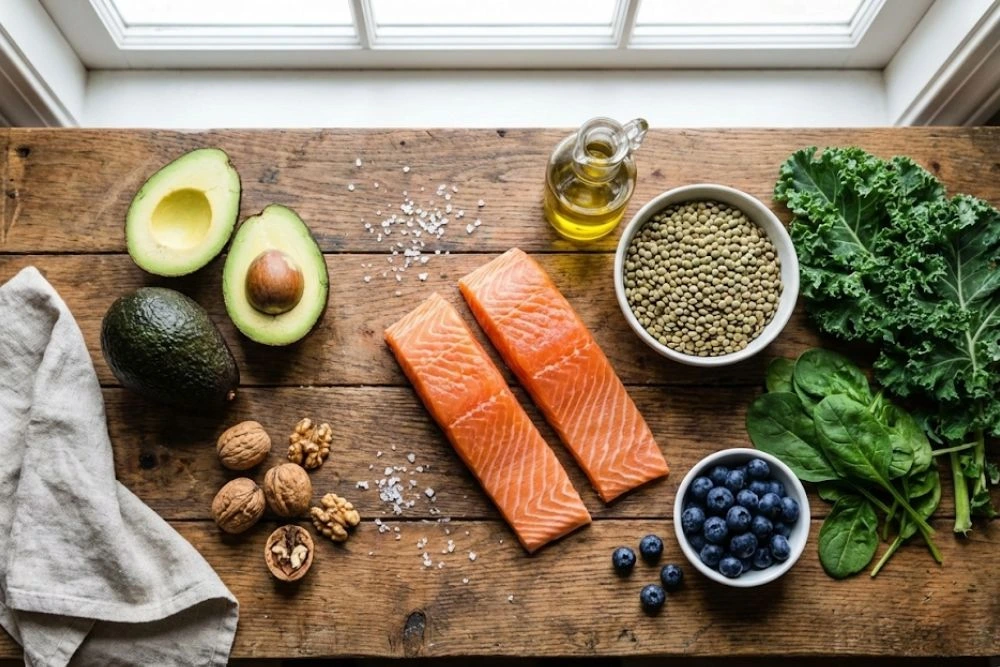
Macronutrients like olive oil, avocado, and lean proteins are potent triggers for incretin release. This is why a meal containing protein and fat keeps you fuller longer than a bowl of sugary cereal, which is digested too quickly to trigger a strong "Ileal Brake" response.
The Future of Hormone Health
Understanding what is Glucagon Like Peptide 1 changes how we view our health. It shifts the focus from "counting calories" to "signaling satiety."
Whether through specific dietary strategies that feed the L-cells or through clinical interventions that mimic the hormone, the goal is the same: to restore the body's natural ability to regulate energy.
Research published in Frontiers in Endocrinology suggests that we can leverage this pathway by using probiotics to alter the gut microbiome. These specific bacteria produce short-chain fatty acids (like butyrate), which directly stimulate the body to produce more of its own GLP-1 naturally.
Frequently Asked Questions
Conclusion
Glucagon Like Peptide 1 is more than just a buzzword in a pharmaceutical commercial. It is an ancient biological mechanism designed to keep us in balance. It is the bridge between our gut and our brain, ensuring that we consume enough to survive but not so much that we harm ourselves.
By understanding this hormone, we can stop fighting our bodies and start working with them, utilizing the very signals nature provided to achieve lasting metabolic health.
Official Medical Disclaimer
The information provided in this guide is for informational and educational purposes only. Peptides and GLP-1 research compounds are intended strictly for laboratory research and are not for human consumption or for the diagnosis, treatment, or prevention of any disease. All research should be conducted by qualified professionals in a controlled environment. The statements regarding these products have not been evaluated by the Food and Drug Administration (FDA). Always consult your local laws and institutional guidelines regarding the use of peptides in research. Always seek the advice of your physician or other qualified health provider with any questions you may have regarding a medical condition.