
Understanding GLP-1 Supplements: The Science of Metabolic Satiety
Discover how GLP-1 supplements signal the brain for weight loss. Learn the science of GLP-1 receptor agonists, metabolic research, and satiety signaling.
- Published
- Updated
- Reading time
- 4 min read
- Author
- By PeptidesFinder
On this page
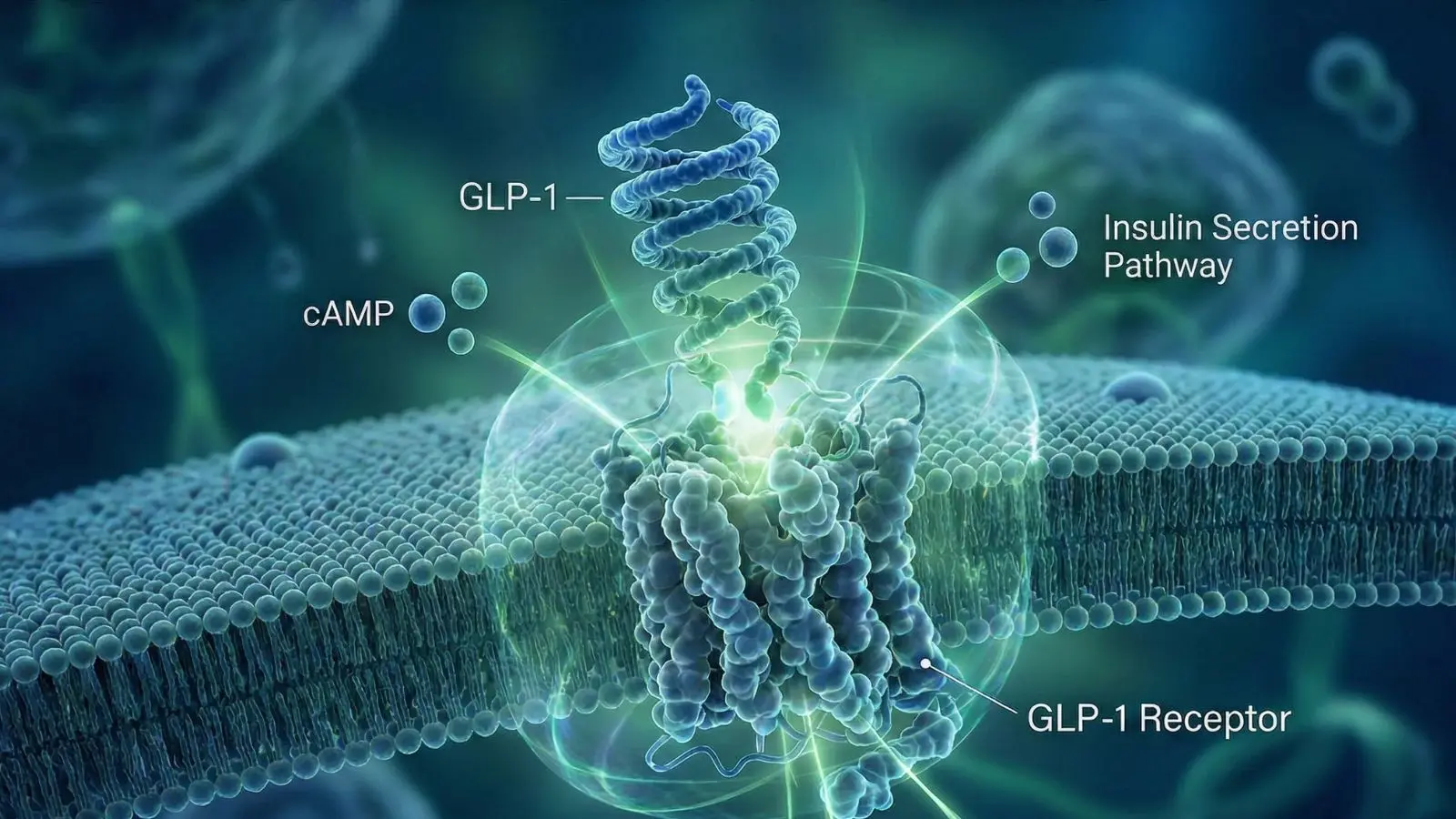
In the rapidly evolving landscape of metabolic health, one topic has risen to the top of both clinical research and public interest: Glucagon-like Peptide 1. Once a closely guarded secret of elite athletes and longevity researchers, these signaling molecules are now a mainstream focal point for those seeking a biological edge in weight management.
But what makes GLP-1 supplements different from a standard diet pill? Unlike synthetic stimulants, these peptides work by communicating with your body's existing systems to optimize metabolism, appetite, and fat-burning processes. This guide provides a deep dive into the most effective sequences, the science of how they function, and how to navigate this field safely.
What Exactly is GLP-1?
Peptides are short chains of amino acids that serve as the "software" for your body’s hardware. They act as messengers, traveling through the system to tell specific cells how to behave. In the context of peptide science, researchers focus on how these molecules can trigger beneficial responses like tissue repair and the mobilization of stored fat.
Because the body already uses peptides to regulate almost every biological function, using bio-identical or mimetic peptides allows for a more targeted approach to health than many traditional medications. GLP-1 is a naturally occurring incretin hormone that plays a central role in maintaining metabolic balance.
How GLP-1 Helps You Lose Weight
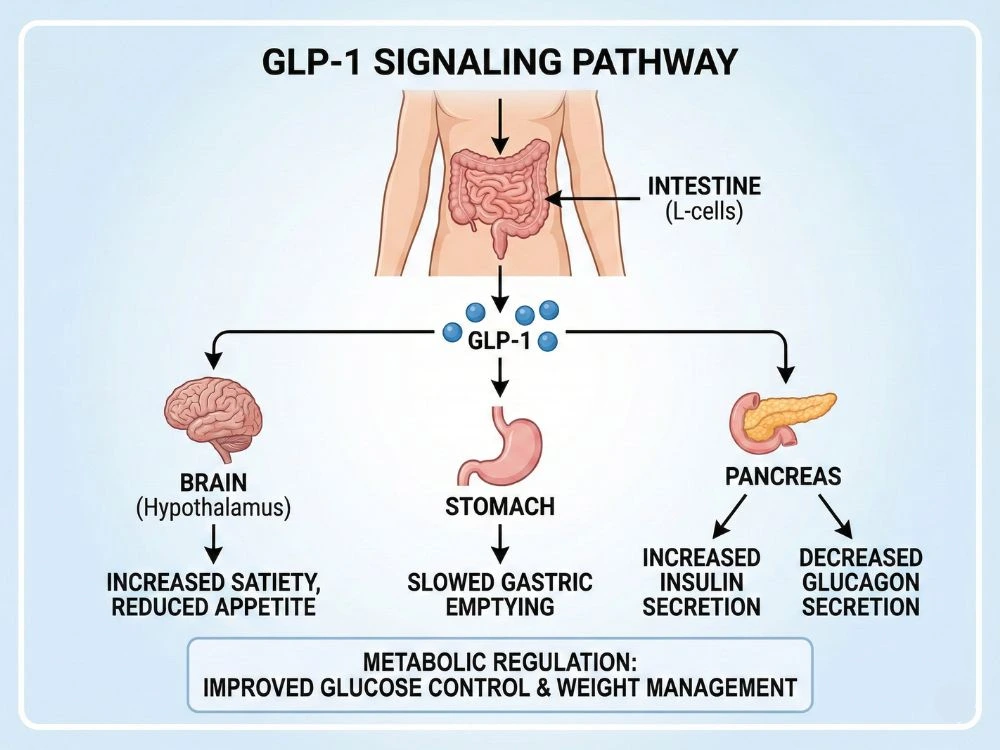
There is no such thing as a "magic pill," but GLP-1 comes close by addressing the root causes of weight gain. When you research GLP-1 supplements, you are looking for molecules that perform three primary tasks:
- Satiety Signaling: Certain peptides mimic the hormones that tell your brain "I am full," effectively ending the cycle of overeating.
- Delayed Gastric Emptying: By slowing down how fast the stomach clears, GLP-1 increases feelings of fullness and provides a powerful tool for weight reduction.
- Insulin Optimization: According to research published by the National Institutes of Health (NIH), GLP-1 receptor agonists function by augmenting insulin secretion in a glucose-dependent manner, helping the body manage blood sugar levels more efficiently. You can review the foundational science of these insulinotropic effects on PubMed: Glucagon-like peptide-1 and its receptor agonists.
To ensure your research math is as precise as these biological signals, always utilize a Peptide Calculator before beginning your study.
The Most Researched GLP-1 Peptides
Currently the "gold standard" in weight management, GLP-1 receptor agonists have changed the conversation around obesity. These peptides mimic the natural glucagon-like peptide-1 hormone, which targets areas of the brain that regulate appetite.
1. Semaglutide
As one of the most studied sequences in modern metabolic research, Semaglutide mimics natural hormones to provide a powerful tool for consistent weight reduction. Clinical research demonstrates its efficacy in slowing gastric emptying and providing a long-lasting metabolic signal. You can explore the verified results of Semaglutide in weight management studies here: Once-Weekly Semaglutide in Adults with Overweight or Obesity.
2. Tirzepatide
Tirzepatide represents an advanced frontier in research, acting as a dual agonist that targets both GLP-1 and GIP (glucose-dependent insulinotropic polypeptide) receptors. This dual-action approach is frequently researched for its robust impact on both appetite suppression and blood sugar regulation. Validated research on dual agonism is available through clinical repositories: Tirzepatide versus Semaglutide Once Weekly in Patients with Type 2 Diabetes.
Benefits Beyond the Scale

While the primary goal is often a lower number on the scale, the biological "upgrades" provided by these sequences often yield broader health benefits:
- Improved Metabolic Flexibility: Helping your body switch more easily between burning carbs and burning fat.
- Muscle Preservation: Protecting your metabolic "engine" (muscle) so you don't rebound in weight after the protocol ends.
- Reduced Systemic Inflammation: Many peptides have secondary anti-inflammatory effects that improve overall cardiovascular health.
Frequently Asked Questions
Official Medical Disclaimer
The information provided on this website is for informational and educational purposes only and is not intended as medical advice or a substitute for professional medical expertise. Peptides and GLP-1 research compounds are powerful biological compounds and should only be used under the direct supervision of a licensed healthcare provider. The statements made regarding these products have not been evaluated by the Food and Drug Administration (FDA). These products are not intended to diagnose, treat, cure, or prevent any disease. Always seek the advice of your physician or other qualified health provider with any questions you may have regarding a medical condition.