
GLP-1 Agonists vs. Peptides: Medications vs. Research Compounds
Are GLP-1 medications the same as research peptides? We explain the safety, purity, and utility between FDA-approved drugs and laboratory research compounds.
- Published
- Reading time
- 6 min read
- Author
- By PeptidesFinder
On this page
The conversation around weight loss and metabolic health has shifted dramatically in 2026. Terms like "Ozempic," "Semaglutide," and "Research Peptides" are often used in the same sentence, leading to massive confusion for patients and researchers alike.
To the naked eye, the chemical formulas might look identical. A molecule of semaglutide is a molecule of semaglutide, right?
Not exactly.
While the core chemical structure might be shared, the difference between GLP-1 agonist medications and research peptides is vast. It involves manufacturing standards, regulatory classification, and the intended application of the compound. This guide breaks down exactly what separates a pharmaceutical drug from a research chemical.
What Are GLP-1 Agonist Medications?
GLP-1 (Glucagon-Like Peptide-1) agonists are a class of medications originally designed to treat Type 2 diabetes. They work by mimicking a natural hormone that tells your brain you are full, slows down gastric emptying, and helps your pancreas release insulin.
We explore this specific biological mechanism in depth in our guide on Understanding GLP-1 Supplements: The Science of Metabolic Satiety.
When you see brand names like Ozempic, Wegovy, or Mounjaro, you are looking at FDA-approved pharmaceuticals. These are not just chemicals in a jar; they are the result of billions of dollars in research and development.
The Three Pillars of Pharmaceutical Grade:
- Strict Regulation: These drugs have undergone years of clinical trials (Phase 1, 2, and 3) to prove safety and efficacy in humans. Every step is monitored by regulatory bodies.
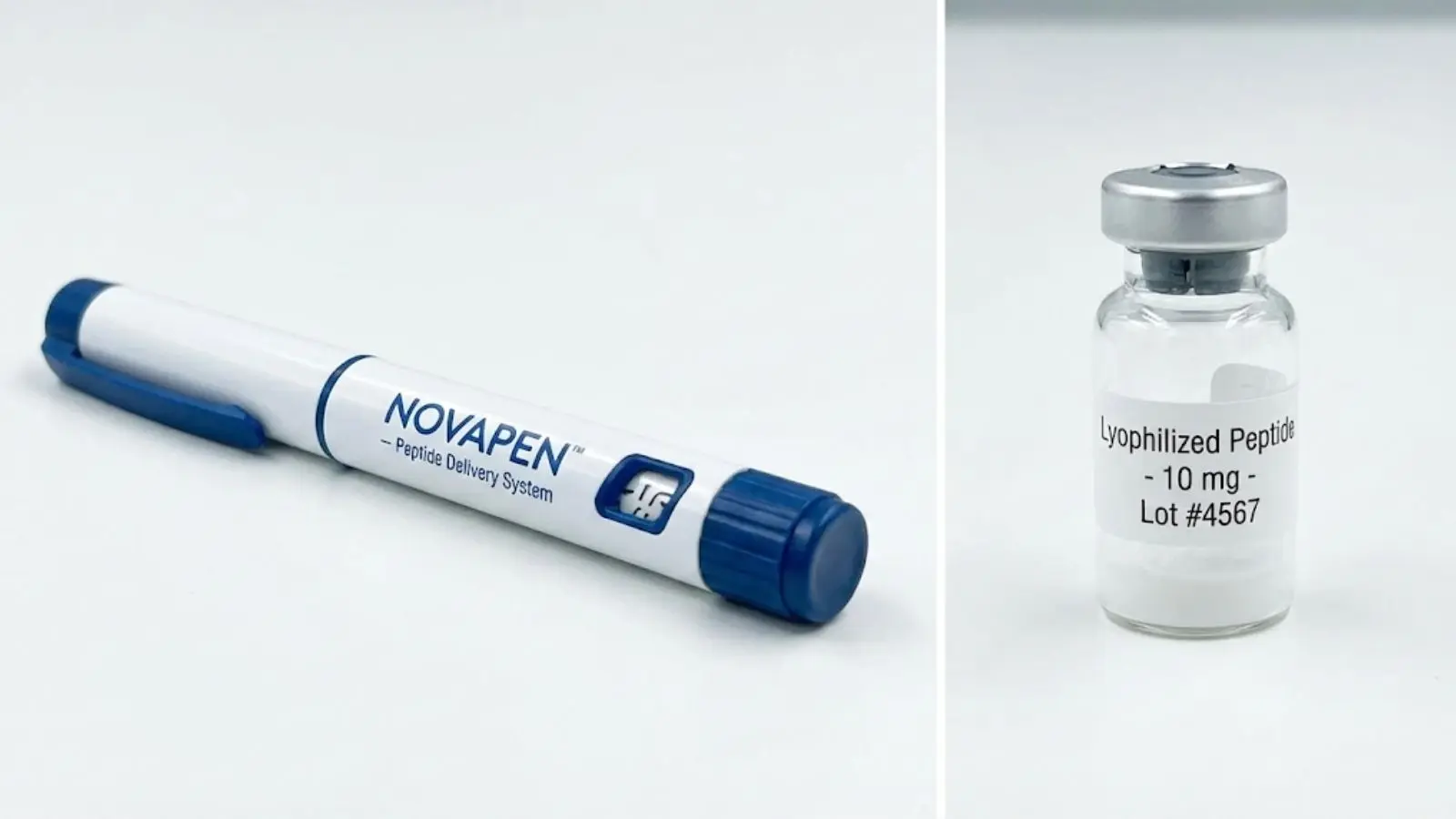
- Sterile Delivery: They typically come in pre-filled, sterile injector pens. The user never has to mix powder or handle a syringe needle directly.
- Prescription Access: You can only obtain them with a prescription from a licensed physician who oversees your treatment plan.
The science behind these medications is robust. A comprehensive review in the National Library of Medicine (StatPearls) highlights how GLP-1 agonists not only improve blood sugar but also offer significant cardiovascular protections, reducing the risk of heart attacks and strokes in high-risk patients.
What Are Research Peptides?
"Research peptides" are synthetic versions of these same molecules (like semaglutide or tirzepatide) utilized for scientific study.
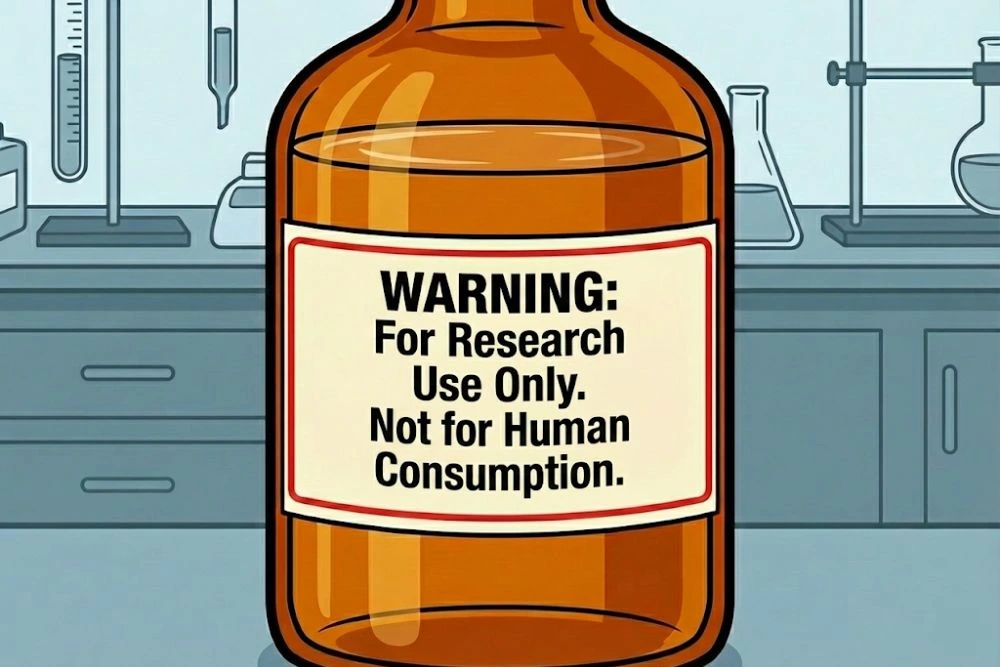
You will often see them sold on websites with a disclaimer: "For Research Use Only. Not for Human Consumption." This designation allows the scientific community to access these molecules for laboratory testing (in vitro) and animal model studies (in vivo) without the red tape associated with pharmaceutical distribution.
Because they are intended for the laboratory rather than the pharmacy, the responsibility for quality assurance shifts from the regulator to the researcher.
The Quality Distinction: Purity and Protocols
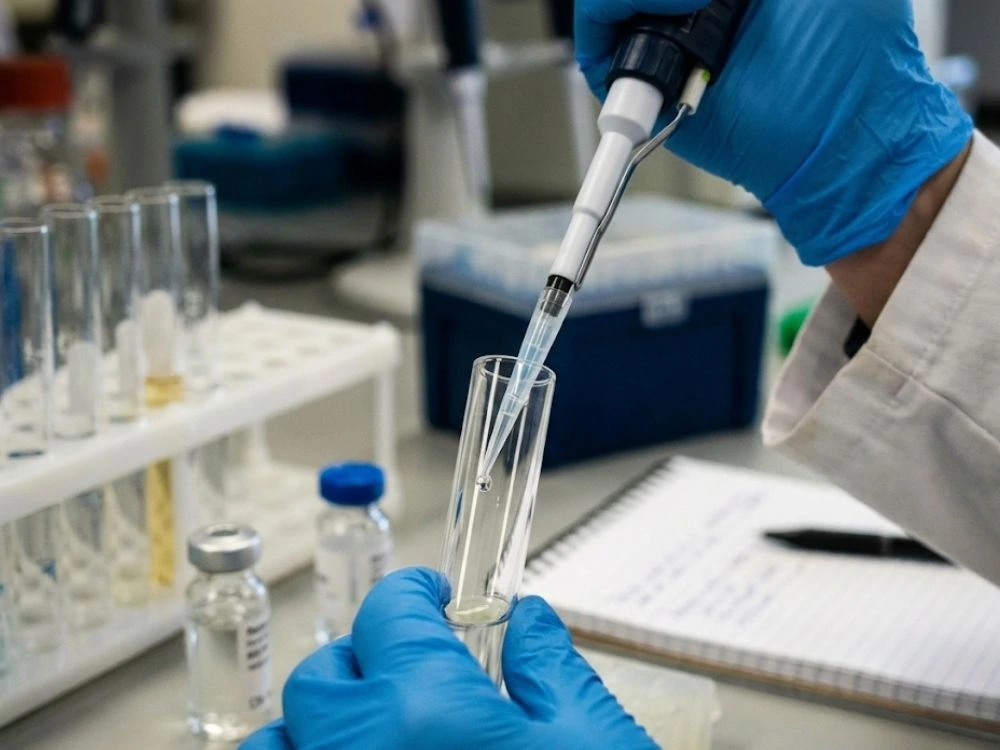
The most critical factor for any researcher is purity. In a pharmaceutical factory, the manufacturing process is standardized. In the research peptide market, the quality can vary depending on the vendor's synthesis standards.
-
The Importance of the "Base" Form
One of the most notable technical distinctions involves the chemical form of the peptide.- The Clinical Standard: FDA-approved studies typically utilize the "base" form of semaglutide for maximum stability and efficacy.
- The Research Variant: Some synthesis labs may produce "salt" forms (such as semaglutide sodium). While these are useful for certain types of chemical assays, they may display different solubility and stability profiles compared to the base molecule.
-
Reconstitution and Sterility
Research peptides are typically shipped as a "lyophilized" (freeze-dried) powder in a sterile vial to preserve stability. This requires the researcher to reconstitute the peptide with bacteriostatic water. This extra step offers flexibility in concentration but requires strict adherence to sterile laboratory protocols to prevent contamination.
For a broader look at how different peptides are used in weight management research, see our Ultimate Guide to Peptides for Weight Loss.
Video Insight: The Clinical Perspective
To understand the medical community's view on this, it is helpful to hear from clinical experts. This video from Stanford Health Care breaks down the mechanism of FDA-approved GLP-1s, highlighting the impressive efficacy of these molecules when used in a controlled clinical setting. GLP-1 Receptor Agonists: The Truth Behind the Trend
The Value of Peptide Research
Why does the market for research peptides exist? It is not just about cost; it is about scientific accessibility.
Research peptides allow universities, private laboratories, and independent scientists to explore the potential of these compounds without the astronomical costs associated with pharmaceutical procurement. This accessibility is what drives innovation.
According to a pivotal review on Trends in Peptide Drug Discovery (PubMed), peptides are recognized for their high selectivity and efficacy, making them one of the most promising areas of modern drug discovery. By maintaining access to research-grade compounds, the scientific community can continue to discover new applications, from neuroprotection to tissue repair, that go beyond what is currently on the pharmacy shelf.
Navigating the Landscape Responsibly
For the independent researcher, the key to success lies in verification.
Because the research market is open, it is imperative to source compounds from vendors that provide transparent Certificate of Analysis (CoA) documentation. These documents verify that the peptide purity meets the 99% standard required for accurate data.
Frequently Asked Questions
Conclusion
There is a fundamental difference between a medication prescribed by a doctor and a chemical sourced for a lab.
GLP-1 medications offer the safety net of FDA approval and standardized dosing for patient care. Research peptides offer the flexibility and accessibility needed for scientific exploration. Both have their place in the medical ecosystem, but they serve different roles. For the researcher, understanding these distinctions, and prioritizing purity above all else, is the foundation of successful scientific inquiry.
Official Medical Disclaimer
The information provided in this guide is for informational and educational purposes only. Peptides and GLP-1 research compounds are intended strictly for laboratory research and are not for human consumption or for the diagnosis, treatment, or prevention of any disease. All research should be conducted by qualified professionals in a controlled environment. The statements regarding these products have not been evaluated by the Food and Drug Administration (FDA). Always consult your local laws and institutional guidelines regarding the use of peptides in research. Always seek the advice of your physician or other qualified health provider with any questions you may have regarding a medical condition.