
The Ultimate Guide to Peptides for Weight Loss: Science, Benefits, and Safety
Explore peptides for weight loss like GLP-1 and AOD-9604 optimize metabolism. Learn the science of appetite control and safety for professional results.
- Published
- Updated
- Reading time
- 5 min read
- Author
- By PeptidesFinder

On this page
In the rapidly evolving landscape of metabolic health, one topic has risen to the top of both clinical research and public interest: peptides for weight loss. Once a closely guarded secret of elite athletes and longevity researchers, these signaling molecules are now a mainstream focal point for those seeking a biological edge in weight management.
But what makes a peptide for losing weight different from a standard diet pill? Unlike synthetic stimulants, peptides work by communicating with your body's existing systems to optimize metabolism, appetite, and fat-burning processes. This guide provides a deep dive into the most effective sequences, the science of how they function, and how to navigate this field safely.
What Exactly Are Peptides?
Peptides are short chains of amino acids that serve as the "software" for your body’s hardware. They act as messengers, traveling through the system to tell specific cells how to behave. In the context of peptide science, researchers focus on how these molecules can trigger beneficial responses like tissue repair, muscle growth, and the mobilization of stored fat. Because the body already uses peptides to regulate almost every biological function, using bio-identical or mimetic peptides allows for a more targeted approach to health than many traditional medications.
How Do Peptides Help You Lose Weight?
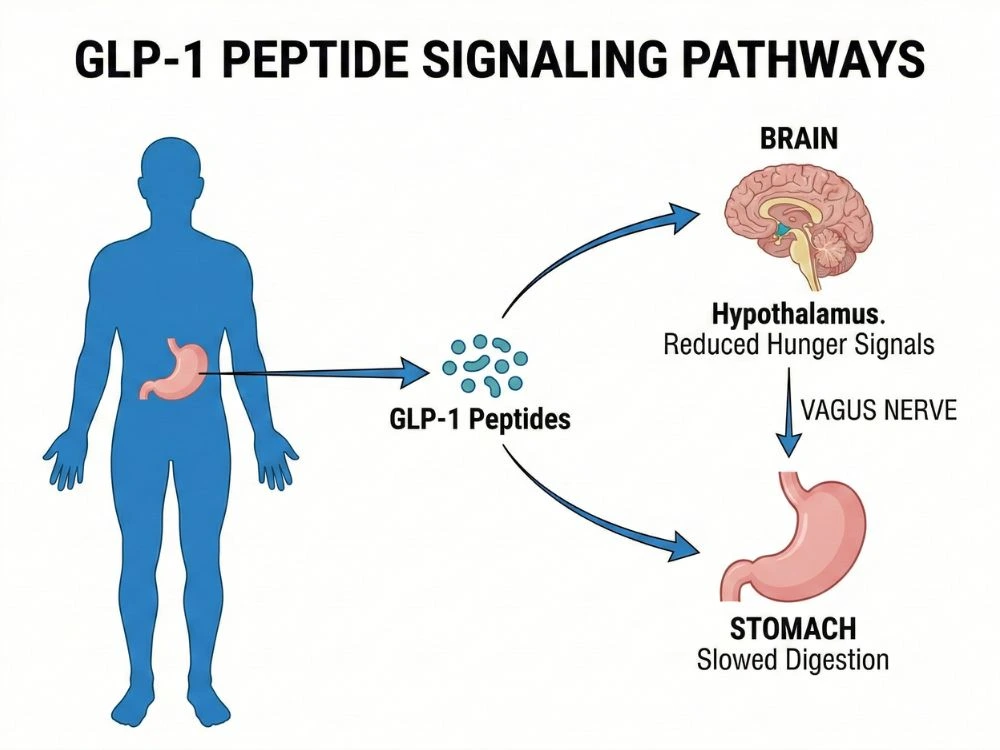
There is no such thing as a "magic pill," but peptides come close by addressing the root causes of weight gain. When you search for fat loss peptides, you are essentially looking for molecules that perform one of three tasks:
- Satiety Signaling: Certain peptides mimic the hormones that tell your brain "I am full," effectively ending the cycle of overeating.
- Lipolysis Induction: This is the process of breaking down fats. Some peptides specifically target adipose tissue, signaling the body to use stored fat for fuel.
- Growth Hormone Optimization: By encouraging the natural release of growth hormone, certain peptides help the body maintain a lean, high-metabolism state even during a calorie deficit.
The Most Researched Weight Loss Peptides
-
GLP-1 Receptor Agonists (Semaglutide & Tirzepatide)
Currently the "gold standard" in weight management, GLP-1 agonists have changed the conversation around obesity. These peptides mimic the glucagon-like peptide-1 hormone, which targets areas of the brain that regulate appetite. By slowing gastric emptying and increasing feelings of fullness, they provide a powerful tool for consistent weight reduction. You can find a detailed medical overview of these agonists here: What Are GLP-1 Agonists?. -
AOD-9604 (The Anti-Obesity Drug)
AOD-9604 is a specialized fragment of the human growth hormone molecule. Unlike full HGH, AOD-9604 was designed to stimulate fat metabolism without impacting blood sugar levels or causing unwanted tissue growth. Clinical research indexed on PubMed demonstrates its high efficacy in stimulating the breakdown of fat (lipolysis) and preventing the formation of new fat cells. Review the verified study on its metabolic effects here: Metabolic studies of a human growth hormone fragment (AOD9604). -
CJC-1295 & Ipamorelin
These two are frequently used together in research for "body recomposition." They are growth hormone secretagogues, meaning they signal your pituitary gland to release your own natural growth hormone. This is a favorite among those looking for peptides’ weight loss benefits that also include maintaining lean muscle mass and improving sleep quality.
Benefits Beyond the Scale

While the primary goal is often a lower number on the scale, the biological "upgrades" provided by these sequences often yield broader health benefits:
- Improved Metabolic Flexibility: Helping your body switch more easily between burning carbs and burning fat.
- Muscle Preservation: Protecting your metabolic "engine" (muscle) so you don't rebound in weight after the protocol ends.
- Reduced Systemic Inflammation: Many peptides have secondary anti-inflammatory effects that improve overall cardiovascular health.
Safety, Side Effects, and Responsibility
Peptides are powerful. Because they influence the endocrine (hormonal) system, they should never be used without professional oversight. Commonly reported side effects include:
- Nausea or GI upset, which is common with GLP-1 agonists.
- Redness or itching at the injection site.
- Changes in blood sugar levels.
It is critical to source your materials from reputable providers who offer third-party testing (COAs) to ensure you are receiving the exact sequence you are researching. To ensure 100% mathematical accuracy in a laboratory setting, researchers should use a Peptide Calculator to verify all reconstitution volumes.
Frequently Asked Questions
Official Medical Disclaimer
The information provided in this guide is for informational and educational purposes only. Peptides and GLP-1 research compounds are intended strictly for laboratory research and are not for human consumption or for the diagnosis, treatment, or prevention of any disease. All research should be conducted by qualified professionals in a controlled environment. The statements regarding these products have not been evaluated by the Food and Drug Administration (FDA). Always consult your local laws and institutional guidelines regarding the use of peptides in research. Always seek the advice of your physician or other qualified health provider with any questions you may have regarding a medical condition.