
Neuropeptide S: The Science of Arousal, Anxiety, and Neurological Research
Explore the research potential of Neuropeptide S. Learn how this signaling molecule regulates arousal, anxiety, and metabolic responses in clinical studies.
- Published
- Updated
- Reading time
- 6 min read
- Author
- By PeptidesFinder

On this page
In the complex field of neuroscience, few molecules have generated as much specific interest for their dual-action potential as neuropeptide s (NPS). Identified in 2004, this 20 amino acid sequence is a highly conserved peptide that functions as a potent biological messenger. What makes NPS unique in the world of peptide science is its ability to simultaneously promote wakefulness and reduce anxiety, a combination of effects that is rare in pharmacological research.
Most compounds that increase arousal or alertness tend to increase heart rate and jitteriness, but neuropeptide s appears to operate through a different set of biological pathways. As of 2025, researchers are focusing on the NPS system to understand how it regulates fear extinction, sleep cycles, and even metabolic processes. This guide provides a deep dive into the molecular structure of NPS, its primary mechanisms of action, and the latest evidence from clinical and laboratory studies.
The Molecular Discovery of Neuropeptide S
Neuropeptide s was discovered using a "reverse pharmacology" approach, where researchers first identified its specific G protein-coupled receptor (NPSR) and then searched for its natural ligand. The "s" in its name refers to the amino-terminal residue, serine, which is common to all known versions of the peptide across different species.
In the human brain, the precursor for NPS is found in very limited areas, primarily in the pontine area of the brainstem. However, its receptor is expressed widely throughout the central nervous system, including the amygdala and the hypothalamus. This wide distribution allows NPS to act as a systemic "on switch" for arousal while maintaining a calming effect on the brain's fear centers. You can review the foundational study on the discovery of the NPS system here: Neuropeptide S: a new player in arousal and anxiety.
Mechanism of Action: Arousal and Anxiety Regulation
The primary reason for the high search volume for neuropeptide s is its unique pharmacological profile. In laboratory settings, it has demonstrated a remarkable ability to influence mood and vigilance without the common side effects of traditional stimulants.
-
Promotion of Wakefulness and Arousal
Research indicates that NPS is a powerful modulator of the sleep-wake cycle. When introduced in laboratory settings, it has been shown to induce long-lasting arousal and suppress all stages of sleep. This is achieved by inhibiting sleep-promoting neurons in the ventrolateral preoptic nucleus (VLPO) of the hypothalamus.
Unlike other stimulants, NPS-induced wakefulness does not appear to lead to a significant sleep debt or subsequent rebound sleep. This makes it a primary focus for researchers studying narcolepsy and other wakefulness disorders. Detailed research on its role in wakefulness can be found on PubMed: Neuropeptide S promotes wakefulness through inhibition. -
Anxiolytic Effects and Fear Extinction
The most exciting frontier of NPS research is its impact on anxiety and fear. Studies show that NPS has anxiolytic properties, meaning it reduces the physiological and behavioral signs of anxiety. It is particularly effective at promoting fear extinction, which is the process by which a subject learns to stop responding to a previously fearful stimulus.
By activating the NPS receptor in the amygdala, the peptide helps regulate the body's response to stress without the sedative side effects common in traditional anti-anxiety research. A comprehensive review of these anxiolytic effects and their implications for PTSD is available through the National Institutes of Health (NIH): Neuropeptide S pathway in PTSD and neuropsychiatric disorders.
Metabolic Impact: NPS and Food Intake
Beyond its neurological effects, researchers have discovered a strong link between neuropeptide s and metabolic regulation. Studies have shown that central administration of NPS can cause a significant decrease in food intake.
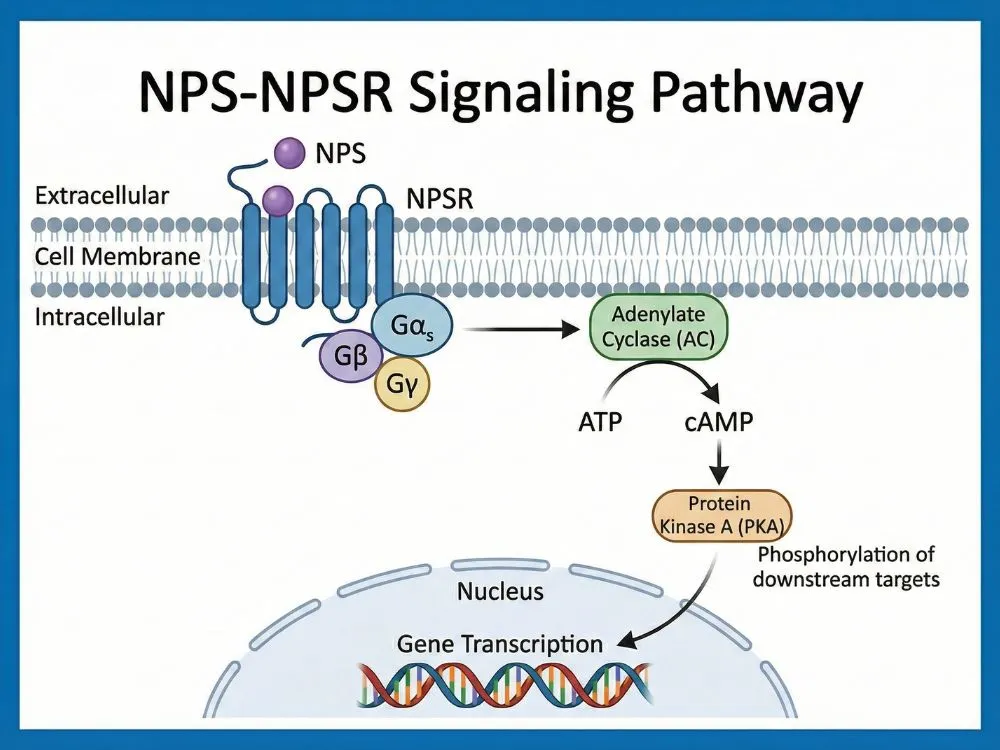
This effect is believed to be mediated through the stimulation of the hypothalamo-pituitary-adrenal (HPA) axis. By inhibiting appetite while simultaneously increasing energy expenditure through heightened arousal, NPS is becoming a secondary focus for research into metabolic optimization and weight management. You can verify the findings on NPS and appetite inhibition here: Neuropeptide S stimulates the HPA axis and inhibits food intake.
Precision in Neurological Research
In high-level neurological studies, the accuracy of the concentration is the most critical factor. Because neuropeptide s is highly potent even at low nanomolar concentrations, even a small error in reconstitution can drastically alter the outcome of a study.
Researchers typically receive NPS in a lyophilized (freeze-dried) powder form to ensure its stability. To transform this into a usable solution, exact mathematical calibration is required. To maintain 100 percent accuracy and eliminate the risk of human error, it is advisable to utilize a peptide calculator to verify all reconstitution math before beginning a protocol.
2026 Frontiers: Inflammation and Peripheral Research
As we move into 2026, new research is expanding the scope of neuropeptide s beyond the brain. Recent studies have identified that the NPS receptor is also expressed in the gastrointestinal tract and on certain immune cells.
New findings published in late 2025 suggest that NPS may play a role in peripheral inflammation. Researchers are currently developing NPSR antagonists to determine if blocking this receptor can help manage inflammatory conditions like asthma or irritable bowel syndrome (IBS). You can explore the 2025 update on these peripheral antagonists here: Design of a peripherally biased NPSR1 antagonist.
Safety, Quality, and Compliance in 2026
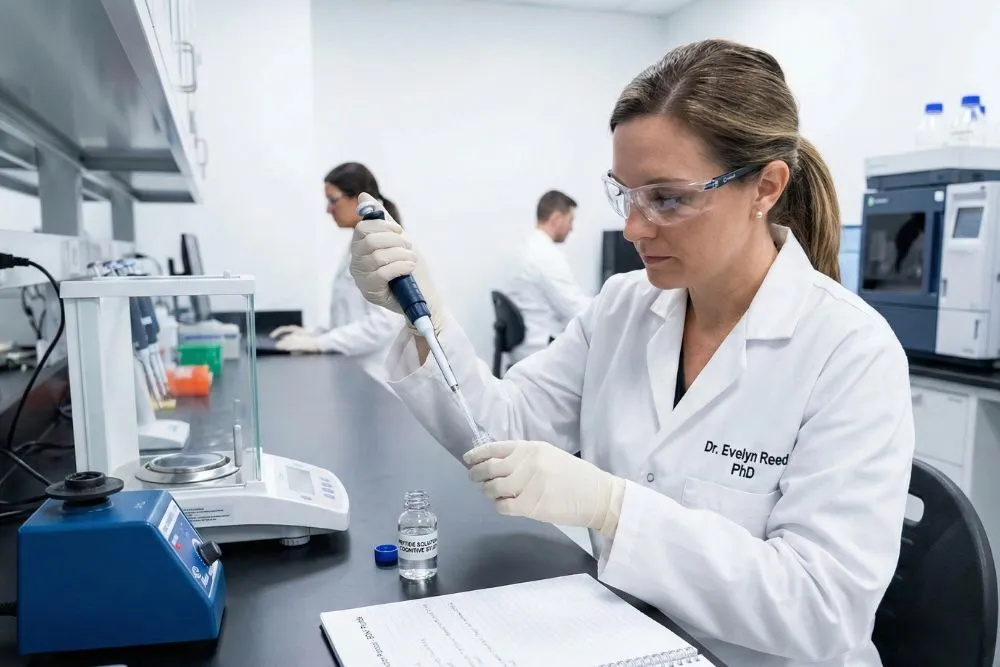
The regulatory environment for research compounds has become significantly stricter over the last year. The FDA continues to emphasize that compounds like neuropeptide s are intended strictly for laboratory research and have not been evaluated for human consumption. To ensure data integrity and laboratory safety, researchers must adhere to several key standards:
- Purity Verification: Always source materials from providers that offer a Certificate of Analysis (COA) to confirm the specific amino acid sequence.
- Storage Protocols: NPS is sensitive to environmental degradation. It should be stored in a cool, dark environment, and once reconstituted, it must be used within a specific timeframe to maintain its biological activity.
- Observation of Side Effects: In research settings, localized reactions or temporary changes in blood pressure have been noted in some subjects.
For researchers seeking high-quality materials and a directory of vetted providers, the Peptides Finder Directory serves as an essential resource for third-party-tested compounds.
Frequently Asked Questions
Official Medical Disclaimer
The information provided in this guide is for informational and educational purposes only. Peptides and GLP-1 research compounds are intended strictly for laboratory research and are not for human consumption or for the diagnosis, treatment, or prevention of any disease. All research should be conducted by qualified professionals in a controlled environment. The statements regarding these products have not been evaluated by the Food and Drug Administration (FDA). Always consult your local laws and institutional guidelines regarding the use of peptides in research. Always seek the advice of your physician or other qualified health provider with any questions you may have regarding a medical condition.