
GHK-Cu Copper Peptides: The Science of Skin Regeneration and Cellular Longevity
Explore the science of GHK-Cu copper peptides. Learn how this peptide promotes collagen production, skin remodeling, and cellular health in modern research.
- Published
- Updated
- Reading time
- 7 min read
- Author
- By PeptidesFinder
On this page
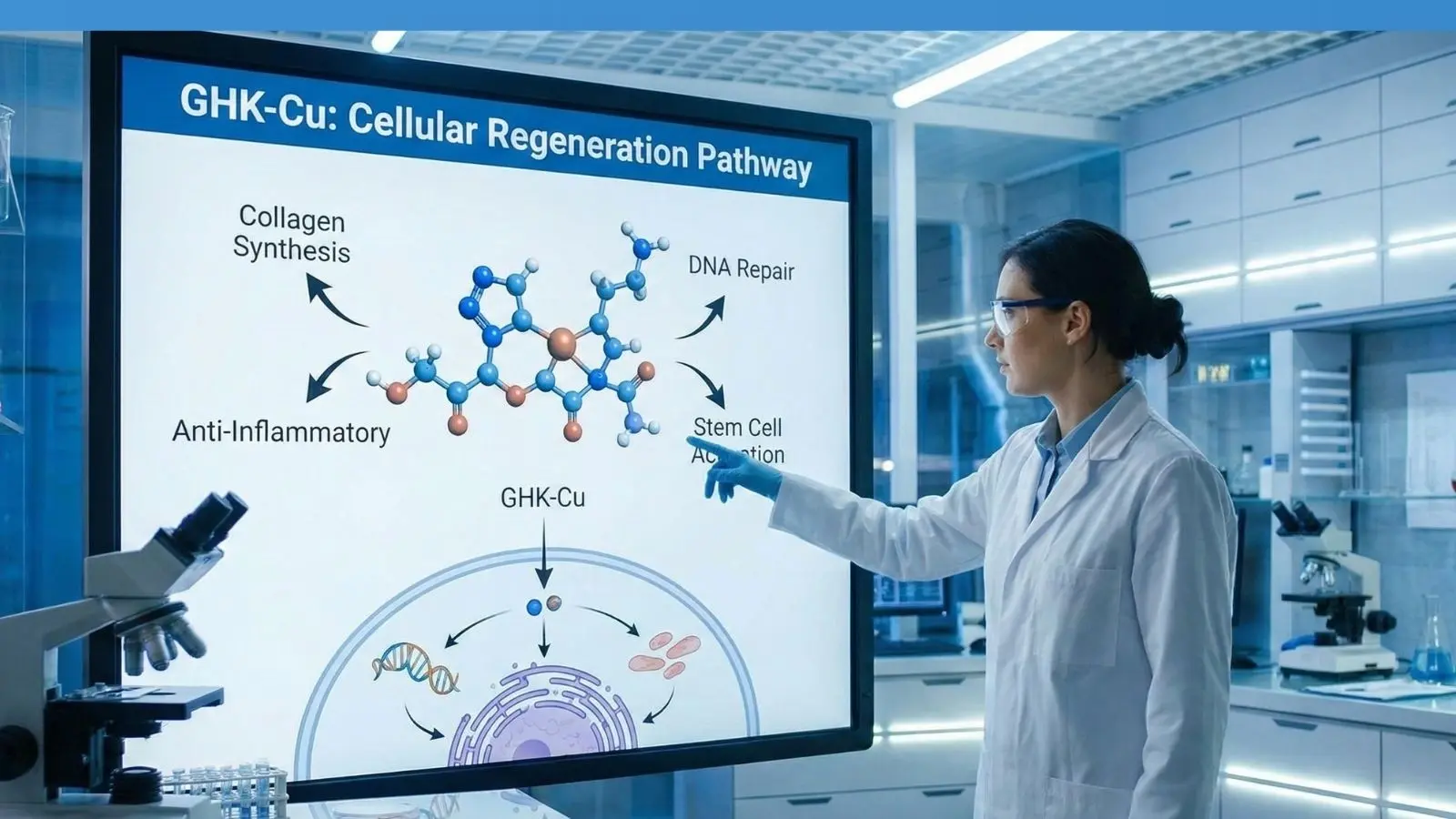
In the rapidly advancing world of peptide science, few molecules have sustained as much academic and clinical interest as GHK-Cu copper peptides. This naturally occurring tripeptide, consisting of the amino acids glycyl-L-histidyl-L-lysine, possesses a uniquely high affinity for copper. When these two elements bind, they form a complex that acts as one of the most powerful signaling agents in the human body.
While many researchers initially focused on its topical benefits for aesthetics, the biological scope of GHK-Cu is far broader. It is currently studied for its pleiotropic effects, meaning it can influence multiple biological pathways simultaneously. These effects range from accelerating wound repair to modulating the expression of thousands of human genes. This guide provides a deep dive into the most recent research, the mechanisms of action, and the safety protocols required for professional study.
The Biology of GHK-Cu: How It Functions as a Signal
The human body naturally produces GHK-Cu, but its presence is heavily dependent on age. Research indicates that in young individuals, the concentration of GHK in the plasma is approximately 200 ng/ml. By the age of 60, this concentration typically drops to an average of 80 ng/ml. This decline is closely linked to the body's decreased ability to repair damaged tissues and manage systemic inflammation.
When introduced in a research setting, the GHK-Cu complex functions as a "reset" signal for cellular health. It interacts with cell surface receptors to trigger a cascade of beneficial responses:
- Collagen and Elastin Synthesis: GHK-Cu signals fibroblasts to increase the production of essential structural proteins. These proteins are the building blocks of skin elasticity and density.
- Angiogenesis Induction: Much like the BPC-157 peptide, GHK-Cu encourages the formation of new blood vessels. This process ensures that healing tissues receive an adequate supply of oxygen and nutrients.
- Nerve Regeneration: Emerging studies are exploring how GHK-Cu may promote the production of nerve growth factors, assisting in the repair of damaged neural pathways and improving overall nerve outgrowth.
Targeted Research Benefits: Skin, Hair, and Longevity
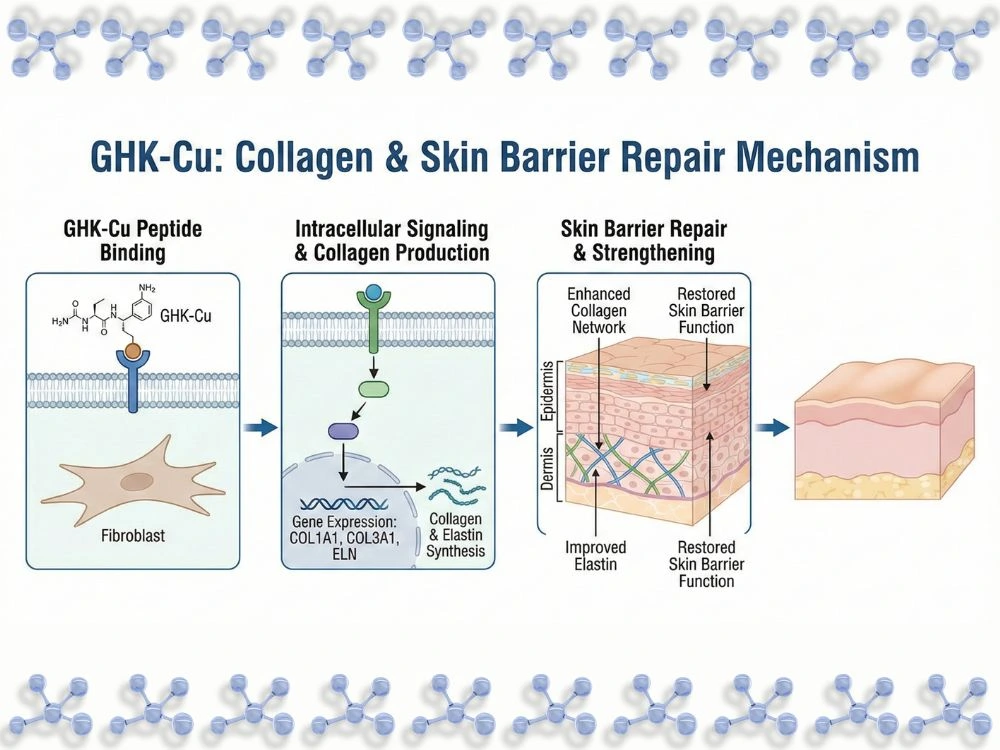
Beyond its role as a basic signaling molecule, the data reveals benefits that extend deep into the cellular matrix.
1. Advanced Skin Remodeling and Barrier Repair
GHK-Cu is often cited as a superior alternative to traditional retinoids because it promotes skin remodeling without the inflammatory side effects. Research has shown that it can increase the production of glycosaminoglycans like hyaluronic acid. These are critical for maintaining skin hydration and a strong structural barrier. In clinical observations, this results in increased skin firmness and a visible reduction in the depth of fine lines and wrinkles. You can review the foundational study on GHK-Cu and skin remodeling here: GHK Peptide as a Natural Modulator in Skin Regeneration.
2. Hair Follicle Stimulation and Scalp Health
One of the most exciting frontiers for GHK-Cu research is hair regrowth. The peptide has been shown to enlarge hair follicles and decrease the rate of programmed cell death (apoptosis) in follicular cells. By reducing scalp inflammation and improving blood flow to the root, GHK-Cu is frequently researched as a treatment for thinning hair and various forms of alopecia. A verified study from the Seoul National University highlights these effects: The effect of tripeptide-copper complex on human hair growth.
3. Wound Healing and Anti-Inflammatory Action
According to research indexed on PubMed, GHK-Cu is a potent accelerator of wound healing. It functions by decreasing the secretion of pro-inflammatory cytokines such as IL-6 and TNF-alpha. This anti-inflammatory action prevents the body from staying in a chronic state of inflammation, which often stalls the repair of surgical incisions or chronic wounds. Detailed findings on these anti-inflammatory properties are available here: GHK-Cu in prevention of oxidative stress and neuroinflammation.
Epigenetic Influence: Resetting the Genome
Perhaps the most profound discovery in recent years is the ability of GHK-Cu to act as an epigenetic modifier. Using the Connectivity Map from the Broad Institute, researchers found that GHK-Cu is capable of up-regulating or down-regulating at least 4,000 human genes.
- DNA Repair: GHK-Cu stimulates the expression of genes involved in DNA repair. This is critical for reversing the damage caused by environmental pollutants and UV radiation.
- Antioxidant Defense: It increases the expression of antioxidant genes, which helps the body neutralize free radicals more effectively.
- Systemic Health: By resetting genes to a younger state, GHK-Cu helps maintain the integrity of multiple organ systems, including the liver and the gastrointestinal tract. Research on the genomic impact of GHK can be found here: GHK and DNA: Resetting the Human Genome to Health.
Accuracy in Your Research: Reconstitution Protocols
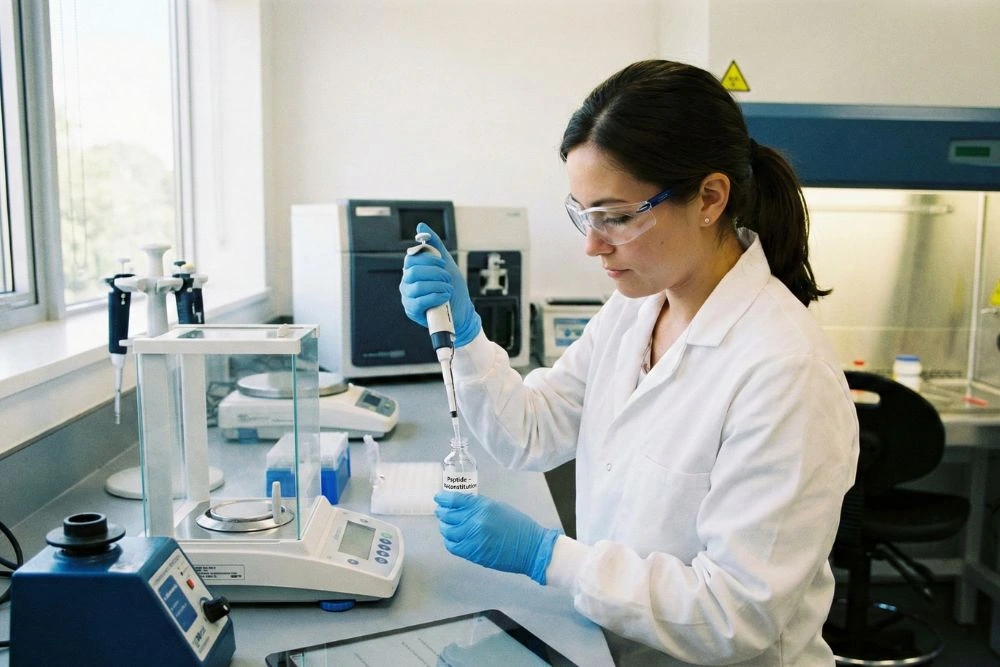
When conducting high-level research, precision is not optional. GHK-Cu is typically delivered in a lyophilized (freeze-dried) powder form to ensure stability. To transform this powder into a usable solution, researchers must add bacteriostatic water.
Because the concentration of the peptide solution changes drastically based on the volume of water added, I recommend using a Peptide Calculator to verify your math. This ensures that your study remains consistent and that your results can be accurately replicated across different phases of research.
Cognitive Health and Neuroprotection
While GHK-Cu is primarily known for its regenerative effects on the skin, a growing body of evidence suggests it may have significant neuroprotective benefits. Researchers are investigating its ability to protect brain cells from toxicity and its potential role in slowing age-associated cognitive decline.
Studies in animal models have shown that GHK can partially reverse cognitive impairment by targeting both inflammatory and epigenetic pathways. This has opened a new door for research into neurodegenerative conditions where chronic inflammation is a primary driver. You can read more about GHK's potential for cognitive health here: The Potential of GHK as an Anti-Aging Peptide.
Safety, Side Effects, and Responsibility in 2026
As of 2025, the FDA has increased its scrutiny of the peptide market, emphasizing that these compounds are intended strictly for laboratory research. To maintain compliance and ensure data integrity, researchers must adhere to strict safety standards:
- Purity Verification: Always ensure your GHK-Cu is sourced from providers that offer a Certificate of Analysis (COA). This document proves that the compound is free from heavy metals and is the correct amino acid sequence.
- Monitoring Side Effects: While generally well-tolerated in research, secondary effects can include localized redness or minor irritation at the application site.
- Storage Requirements: To prevent degradation, GHK-Cu should be stored in a cool, dark environment. Once reconstituted, it must be kept refrigerated to maintain its biological activity.
Finding a Trusted Peptide Source
In a market where misbranded peptides are a growing concern, finding a reliable resource is the most critical step toward a successful research project. Transparency in sourcing and verified purity levels are the hallmarks of a reputable provider.
If you are ready to advance your research with high-quality compounds, explore the Peptides Finder Directory to find vetted, third-party-tested resources and providers.
Frequently Asked Questions
Official Medical Disclaimer
The information provided in this guide is for informational and educational purposes only. Peptides and GLP-1 research compounds are intended strictly for laboratory research and are not for human consumption or for the diagnosis, treatment, or prevention of any disease. All research should be conducted by qualified professionals in a controlled environment. The statements regarding these products have not been evaluated by the Food and Drug Administration (FDA). Always consult your local laws and institutional guidelines regarding the use of peptides in research. Always seek the advice of your physician or other qualified health provider with any questions you may have regarding a medical condition.