
FDA Reviews 7 Popular Peptides — BPC-157, TB-500, Semax & More — for the 503A Compounding List
The FDA's Pharmacy Compounding Advisory Committee is reviewing BPC-157, TB-500, KPV, MOTS-C, Semax, Epitalon and DSIP for the 503A bulks list on July 23–24, 2026 — with the agency proposing none be added. Here's what's at stake.
- Published
- Reading time
- 3 min read
- Author
- By PeptidesFinder
On this page
On July 23–24, 2026, the U.S. FDA's Pharmacy Compounding Advisory Committee (PCAC) is meeting to review seven of the most widely used research peptides for possible inclusion on the 503A Bulk Drug Substances List — the list that governs which substances licensed compounding pharmacies can legally compound for patients.
For anyone who follows the peptide space, the lineup is striking: these are among the most-searched, most-sold compounds on the market.
Which peptides are under review
Day 1 — July 23, 2026
- BPC-157 (free base and acetate)
- KPV (free base and acetate)
- TB-500 (free base and acetate)
- MOTS-C (free base and acetate)
Day 2 — July 24, 2026
- Emideltide / DSIP (delta sleep-inducing peptide)
- Semax
- Epitalon
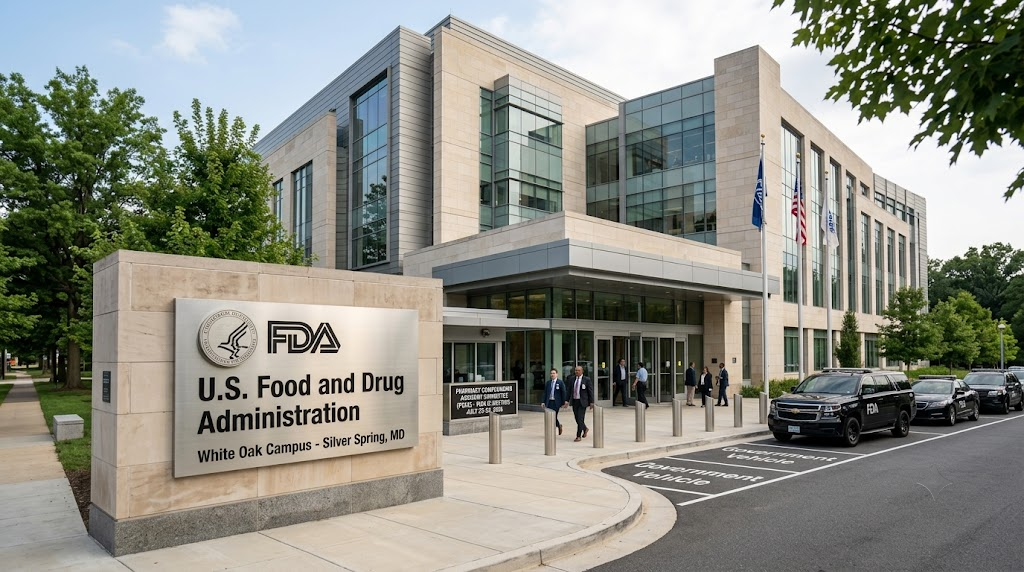
The meeting is being held at the FDA's White Oak campus in Silver Spring, MD, with a public teleconference and video option.
What the 503A Bulks List actually is
Under section 503A of the Federal Food, Drug, and Cosmetic Act, a compounding pharmacy can only compound a drug from a bulk substance if that substance (a) has a USP or NF monograph, (b) is a component of an FDA-approved drug, or (c) appears on the FDA's 503A Bulk Drug Substances List. The PCAC is the advisory panel that reviews nominated substances and recommends whether the FDA should add them.
In plain terms: the 503A list is the gatekeeper for whether these peptides can be legally compounded by pharmacies in the United States.
What the FDA is proposing
Ahead of the meeting, the FDA's own review recommends that all seven peptides not be added to the 503A list, citing insufficient safety and effectiveness data to support compounding use. Several of these compounds had previously sat in "Category 2" — substances the FDA flagged for significant safety concerns — before being moved into formal PCAC evaluation in April 2026.
Two caveats matter here:
- This is a proposal, not a final decision. The PCAC only advises; the FDA issues the final determination later, and no final rule has been published.
- The committee can agree, disagree, or split from the FDA's recommendation on any given substance.
Why it matters — and what it doesn't change
It's worth being precise about scope. The 503A pathway governs compounding pharmacies, not the separate market for compounds sold explicitly as research chemicals "not for human consumption." A decision here does not, on its own, erase a molecule or ban it from being sold for laboratory research.
That said, the signal is meaningful:
- For the compounding channel, keeping these peptides off the list would limit or end their legal compounding for patient use.
- For the wider research-peptide market, it's a clear indicator of heightened federal attention on exactly the compounds this space revolves around — the kind of attention that tends to ripple out to payment processors, marketplaces, and supplier risk.
What to watch
- The committee vote on each substance — each is discussed and voted on separately.
- Whether the panel breaks from the FDA's "do not add" recommendation for any compound. BPC-157 in particular carries a large body of preclinical research and vocal advocacy.
- The FDA's eventual final determination, which follows the meeting.
We'll update this post as outcomes are reported.
This article is for informational purposes only and is not medical, legal, or regulatory advice. The peptides discussed are research compounds; nothing here should be read as guidance to use them in humans.