
BPC-157 Peptide: A Comprehensive Research Guide to Tissue Repair and Recovery
A deep dive into BPC-157 peptide research. Explore scientific studies on tendon, muscle, and gut repair, including mechanism of action and safety data.
- Published
- Updated
- Reading time
- 4 min read
- Author
- By PeptidesFinder
On this page
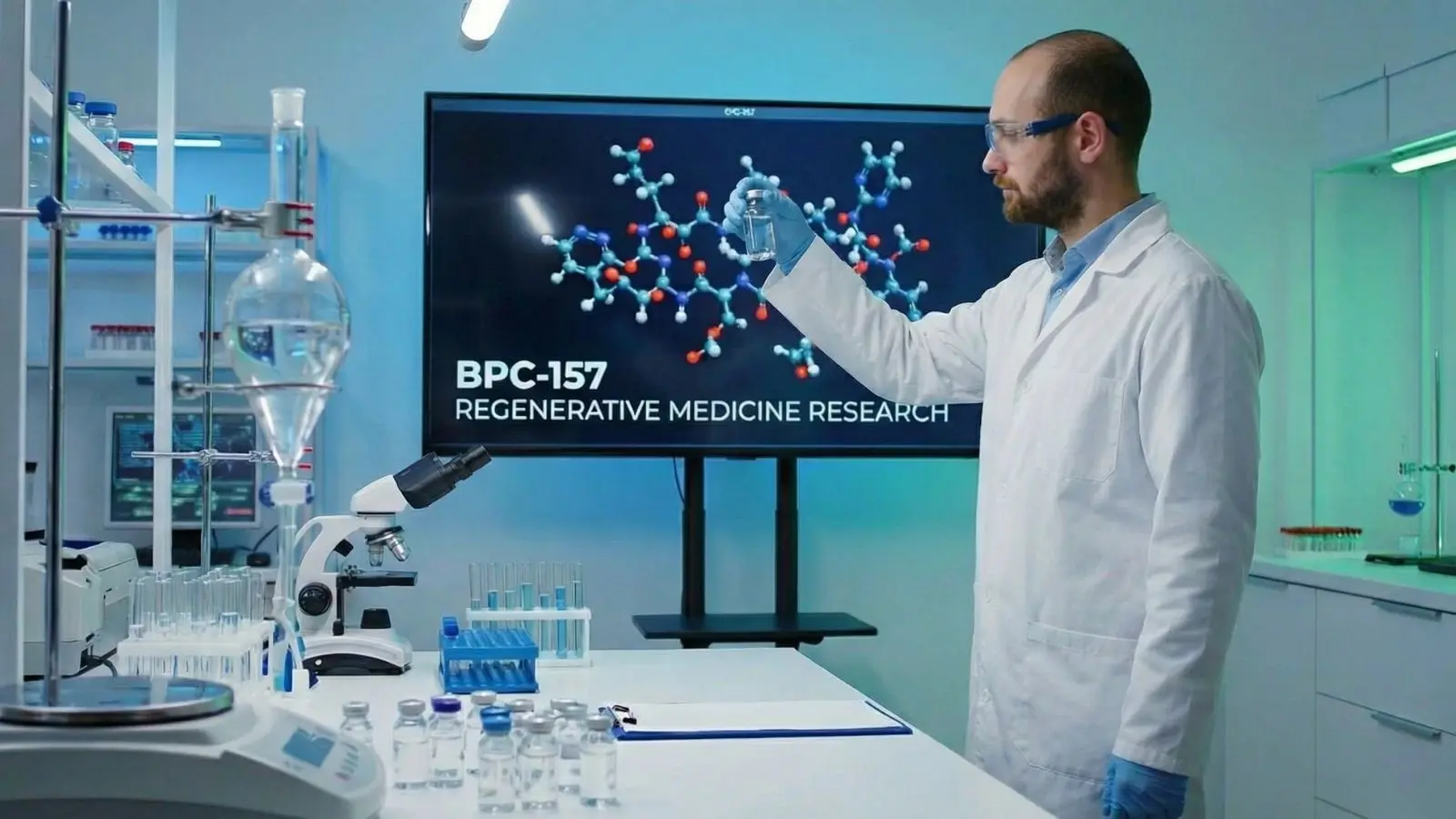
If you are active in the world of peptide science, you have likely heard of BPC-157. Often referred to as a "body protection compound," this 15-amino acid sequence has become a focal point for researchers looking to push the boundaries of regenerative medicine. While it remains a research compound, the volume of data surrounding its ability to repair the human body is growing every day.
In this guide, I will walk you through exactly what the current science says about the BPC-157 peptide, how it functions at a cellular level, and why it has become a standard for research into accelerated healing.
What is BPC-157?
BPC-157 is a pentadecapeptide, meaning it is a short chain of 15 amino acids. What makes it unique is its origin; it is a partial sequence of a compound originally discovered in human gastric juice. Because it is naturally derived from the digestive system, it is remarkably stable and resistant to degradation, which is a rare trait in the world of fragile peptide signaling molecules.
Researchers focus on BPC-157 because it acts as a biological "software" update. It travels through the system and tells specific cells how to behave, specifically targeting areas of inflammation or physical trauma to initiate repair.
How BPC-157 Repairs Tissues: The Mechanism of Action
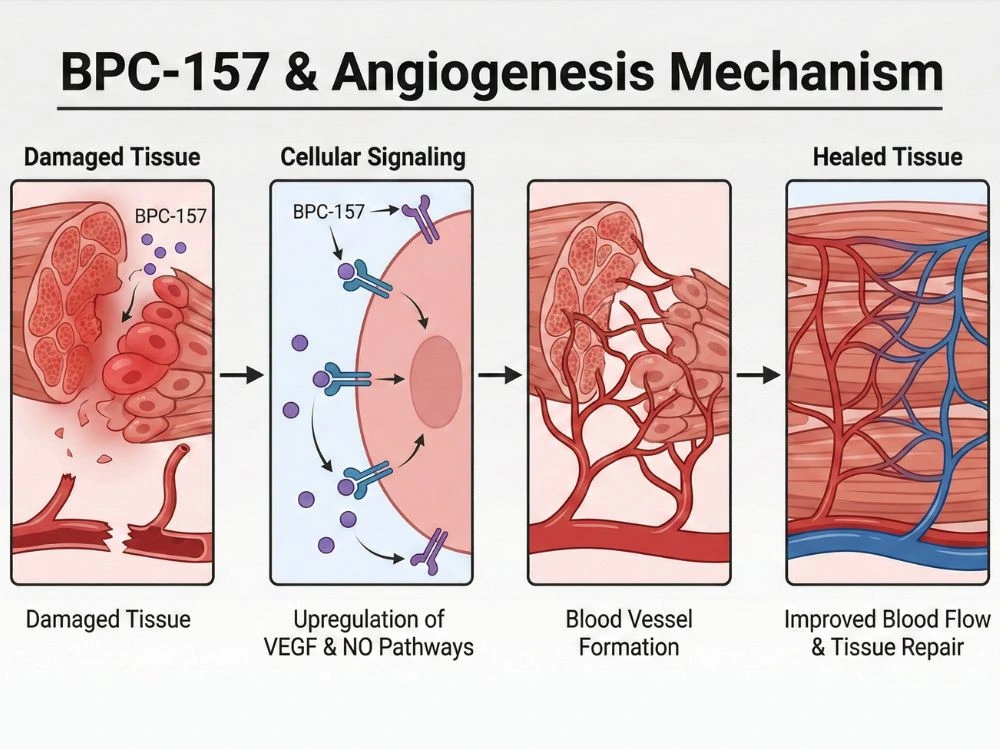
The primary reason you might be researching BPC-157 is its impact on angiogenesis. This is the physiological process through which new blood vessels form from pre-existing ones.
Why does this matter for your research? Most "stubborn" injuries, like a torn ACL or chronic Achilles tendonitis, heal slowly because these tissues have very poor blood supply. By stimulating the growth of new vascular pathways, BPC-157 allows oxygen and nutrients to reach the "unreachable" parts of an injury.
According to research indexed on PubMed, BPC-157 also interacts with the Nitric Oxide (NO) system. This interaction helps regulate blood flow and protects the endothelial lining of your vessels, creating a stable environment for new tissue growth. You can review the primary study on its regenerative properties and angiogenic influence here: BPC 157 and blood vessels.
Deep Dive: Targeted Recovery Benefits
When you look at the data, the benefits of BPC-157 are not limited to just one type of injury. It appears to have a systemic effect on almost all connective tissues.
1. Tendon and Ligament Healing
This is perhaps the most famous application of the peptide. In laboratory settings, BPC-157 has shown a consistent ability to promote the outgrowth of tendon fibroblasts. In simpler terms, it helps the cells that make up your tendons grow and spread faster to bridge a gap caused by a tear.
2. Muscle and Bone Repair
While tendons are the primary focus, studies have shown that BPC-157 can also accelerate the healing of skeletal muscle after a systemic injury or direct trauma. It even shows promise in helping "bone-to-tendon" healing, which is often the most difficult part of recovery after a major surgery.
3. Gut Health and the "Brain-Gut" Axis
Because of its gastric origins, BPC-157 is a powerful tool for gastrointestinal research. It has been shown to help heal stomach ulcers and protect the gut lining from damage caused by inflammatory stressors. Research from the National Institutes of Health (NIH) highlights its role in maintaining the integrity of the mucosal barrier. You can review the study details here: Brain-gut Axis and Pentadecapeptide BPC 157.
Accuracy in Your Research: Using a Peptide Calculator
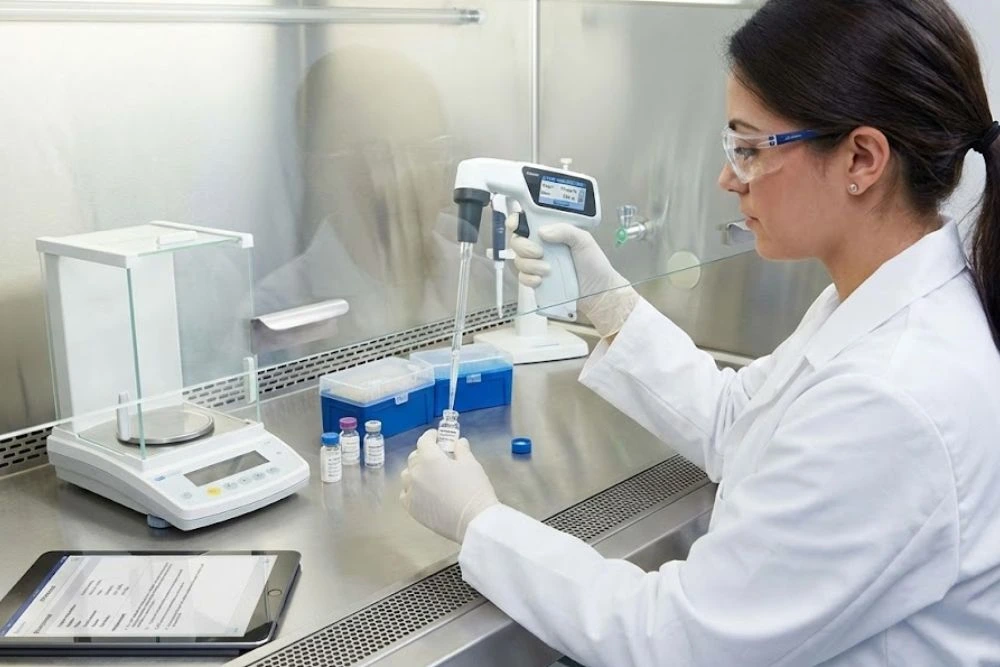
If you are conducting a study, you know that accuracy is paramount. Peptides are typically delivered in a lyophilized (freeze-dried) powder form. To turn that powder into a usable research solution, you must add bacteriostatic water.
Because the concentration of the peptide changes based on the volume of water added, I highly recommend using a Peptide Calculator. This ensures your math is 100% accurate, allowing you to replicate results across different stages of your research without error.
Safety, Side Effects, and Responsibility
Peptides are powerful signaling molecules that influence your biological systems. Therefore, they should never be used without professional oversight.
Commonly reported observations in research settings include:
- Injection site reactions: Temporary redness or itching where the compound was administered.
- Digestive changes: Because it affects the gut, some researchers note mild changes in appetite or digestion.
- Purity concerns: In an unregulated market, the biggest risk is "misbranded" or impure material. Always ensure your source provides a Certificate of Analysis (COA) to verify that the sequence is exactly what it claims to be.
Finding a Trusted Research Source
The quality of your data is only as good as the quality of your compounds. As the FDA increases enforcement against mislabeled peptides in 2025, finding a vetted provider is the most critical step of your journey. You should prioritize transparency and verified purity levels above all else.
If you are ready to advance your study, I suggest you explore the Peptides Finder Directory to find high-quality, third-party-tested resources.
Official Medical Disclaimer
The information provided in this guide is for informational and educational purposes only. Peptides and GLP-1 research compounds are intended strictly for laboratory research and are not for human consumption or for the diagnosis, treatment, or prevention of any disease. All research should be conducted by qualified professionals in a controlled environment. The statements regarding these products have not been evaluated by the Food and Drug Administration (FDA). Always consult your local laws and institutional guidelines regarding the use of peptides in research. Always seek the advice of your physician or other qualified health provider with any questions you may have regarding a medical condition.